|
|
This week's story is about the new Basque whaling exhibit that just opened at the Basque Museum & Cultural Center in Boise, ID. A high seas exhibit in the high desert? It isn't as odd as it might seem. While Basques here in the American West might be associated with the sheep industry, Basques worldwide have engaged in a wide variety of endeavors including being the premier whalers of early modern Europe.
When the Basque Museum and Cultural Center unveils its new exhibit, “Basque Whaling: Danger and Daring on a Distant Shore,” visitors will discover a side of the Basque culture that may surprise them. The exhibit, which opens to the public on July 26, tells the unfamiliar story of ancient Basque whalers from Spain and France who sailed across the Atlantic Ocean to hunt whales off the eastern coast of Canada in the 1500s. Christine Bender, a local author, historical researcher and driving force behind the exhibit, said that most people associate Basques with sheepherding, so the story of Basque whaling and shipbuilding may be new to many Basques and non-Basques alike.
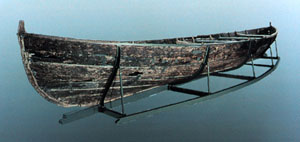
“By the 16th century, the sailing and ship-building expertise of Basques was well-known throughout Europe,” Bender said. “History shows that Christopher Columbus hired the Basque-built Santa Maria as his flagship, which was owned and captained by a Basque named Juan de la Cosa. All five of Ferdinand Magellan’s ships were built in the Basque country, and several of his shipmasters and crew were Basques. The captain of the sole surviving ship of the Magellan fleet was Juan Sebastian de Elcano, a Basque.” Reproductions of 16th century whaling artifacts were handcrafted for the exhibit by local, national and international artisans and volunteers. From the whaling harpoons and whale oil lanterns, to the 12-foot whale tail, period clothing and the bow of a 27-foot txalupa (whaling boat), the exhibit has been designed based on discoveries made at archaeological sites.
Idaho artisans who worked on the project include a blacksmith, a weaver, a wood turner, seamstresses, a sculptor and a boat builder. The museum also enlisted the services of a shoemaker and an hourglass maker in Illinois, a goldsmith in England and barrel makers in Nova Scotia. The exhibit includes photos of actual sunken artifacts, paintings and wall-size murals of whaling scenes provided by the New Bedford Whaling Museum, the Peabody Essex Museum, National Geographic Society and other sources in Spain and Canada. In addition, there is a mural of a Right whale painted by Basque Museum curator and exhibit designer Loni Manning, and an interactive area where children can learn to tie sailor’s knots. Designs for the artifacts were loaned to the museum at no charge by the Red Bay, Labrador Historical Site and the Canadian Museum of Civilization.
|